Quiz
How much do you know about the ocean and its interactions with society? Test your Ocean Literacy and become an active part of the change spreading awareness about this fascinating world.


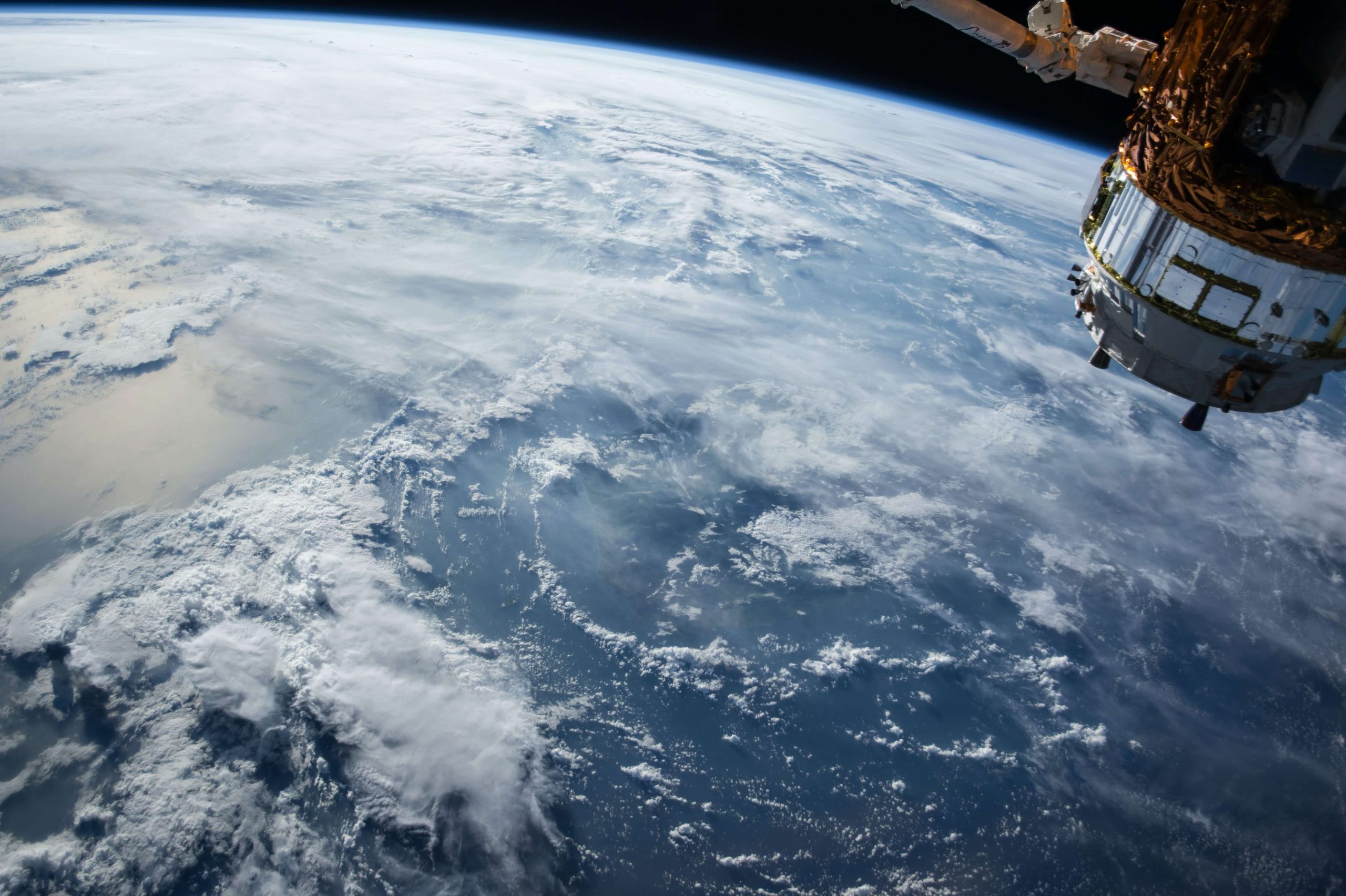 Photo by NASA on Unsplash
Approximately 71% of the earth's surface is covered by water.
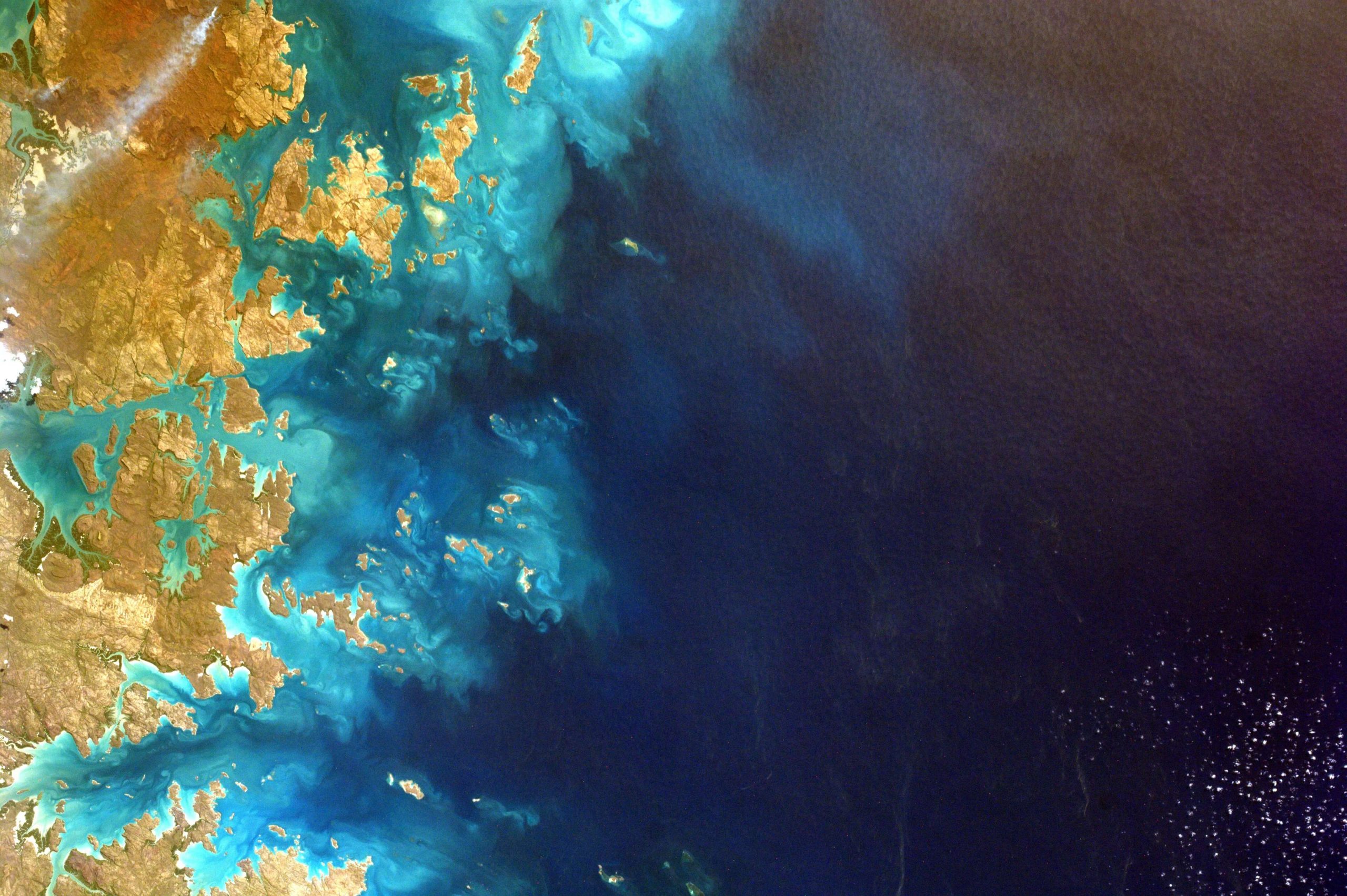 Photo by NASA on Unsplash
There is one ocean with many ocean basins: North Pacific, South Pacific, North Atlantic, South Atlantic, Indian, Southern, and Arctic.
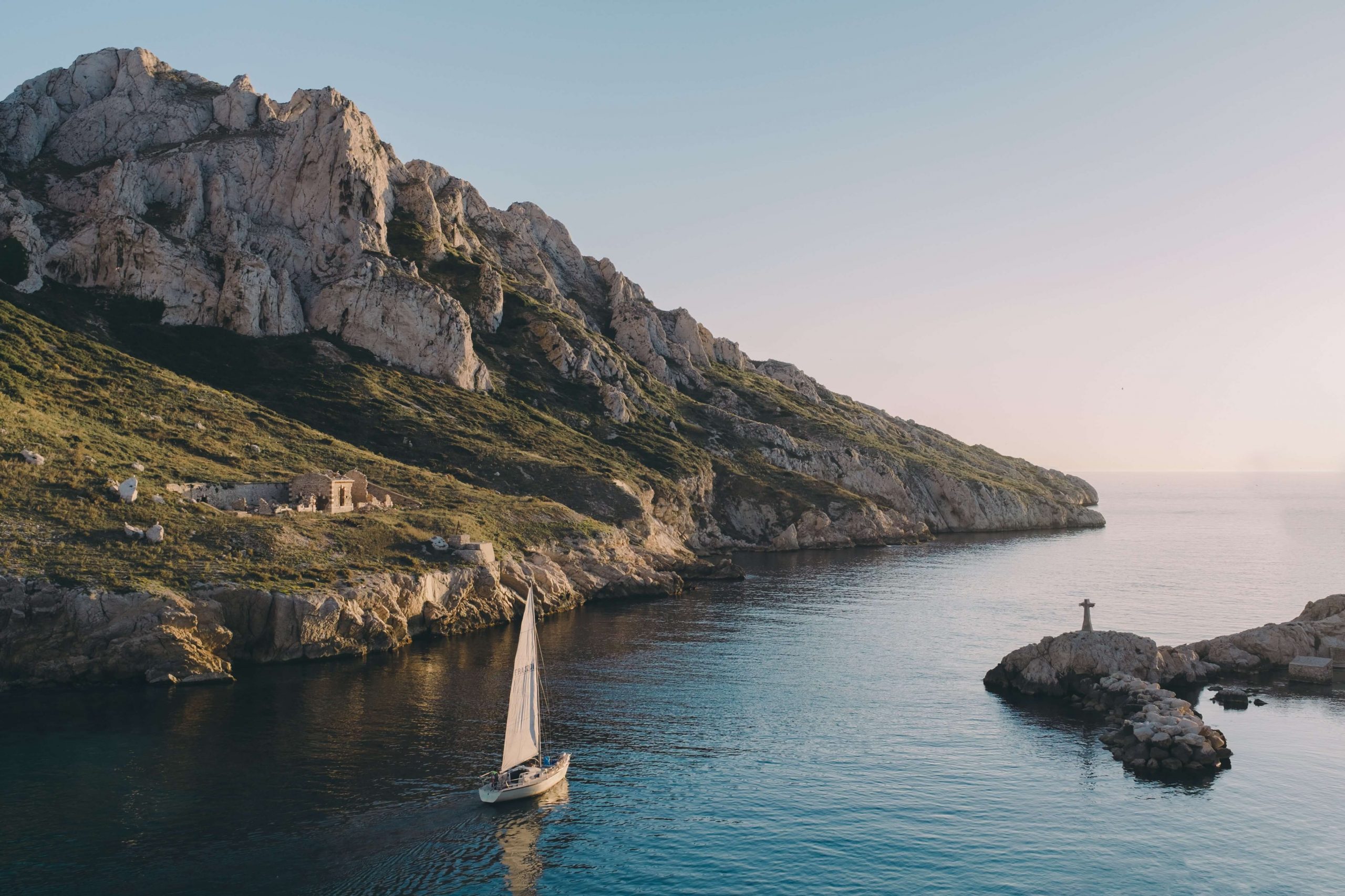 Photo by Matthieu da Cruz on Unsplash
The ocean is the largest unexplored place on Earth – less than 20% of it has been explored. The next generation of explorers and researchers will find great opportunities for discovery, innovation and investigation.
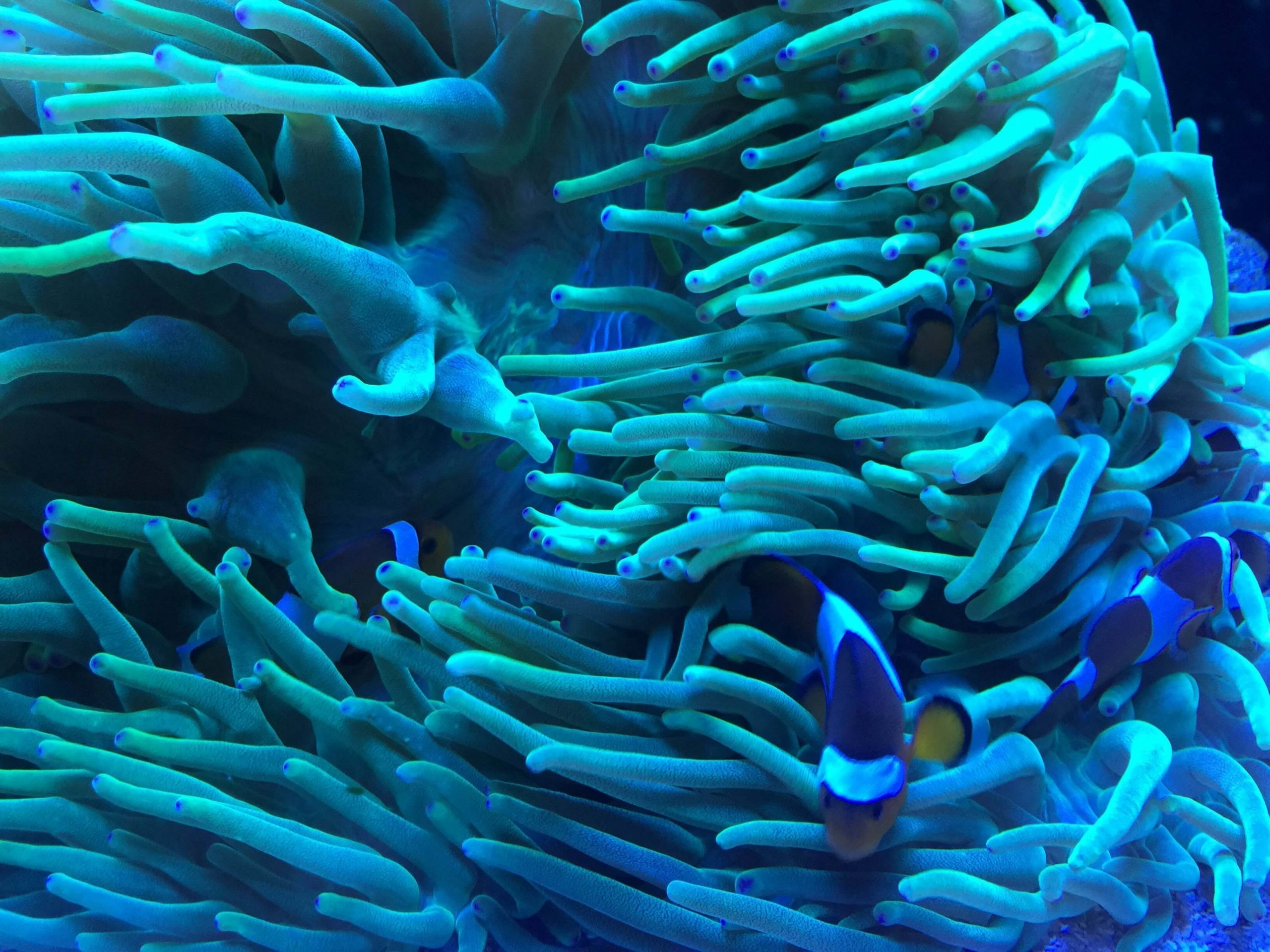 Photo by Eva Tillman on Unsplash
The number of species that live in the ocean is currently unknown. While scientists estimate that 91 percent of ocean species have yet to be classified, the global scientific community continues to research and gain as much knowledge as possible to discover this fascinating world.
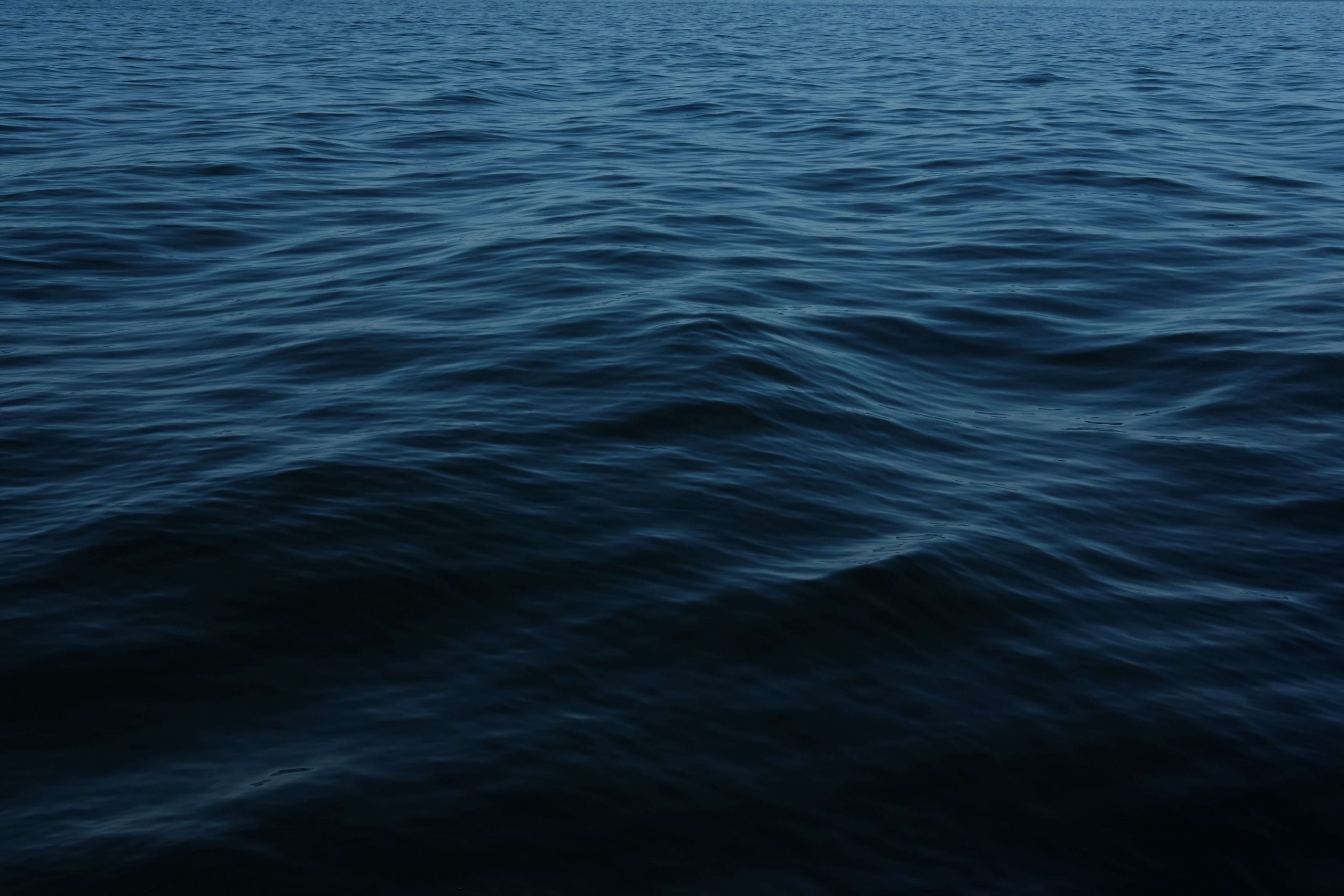 Photo by Conor Sexton on Unsplash
There are 5.25 trillion pieces of plastic debris in the ocean. Of that mass, 269,000 tons float on the surface, while some four billion plastic microfibers per square kilometer litter the deep sea.
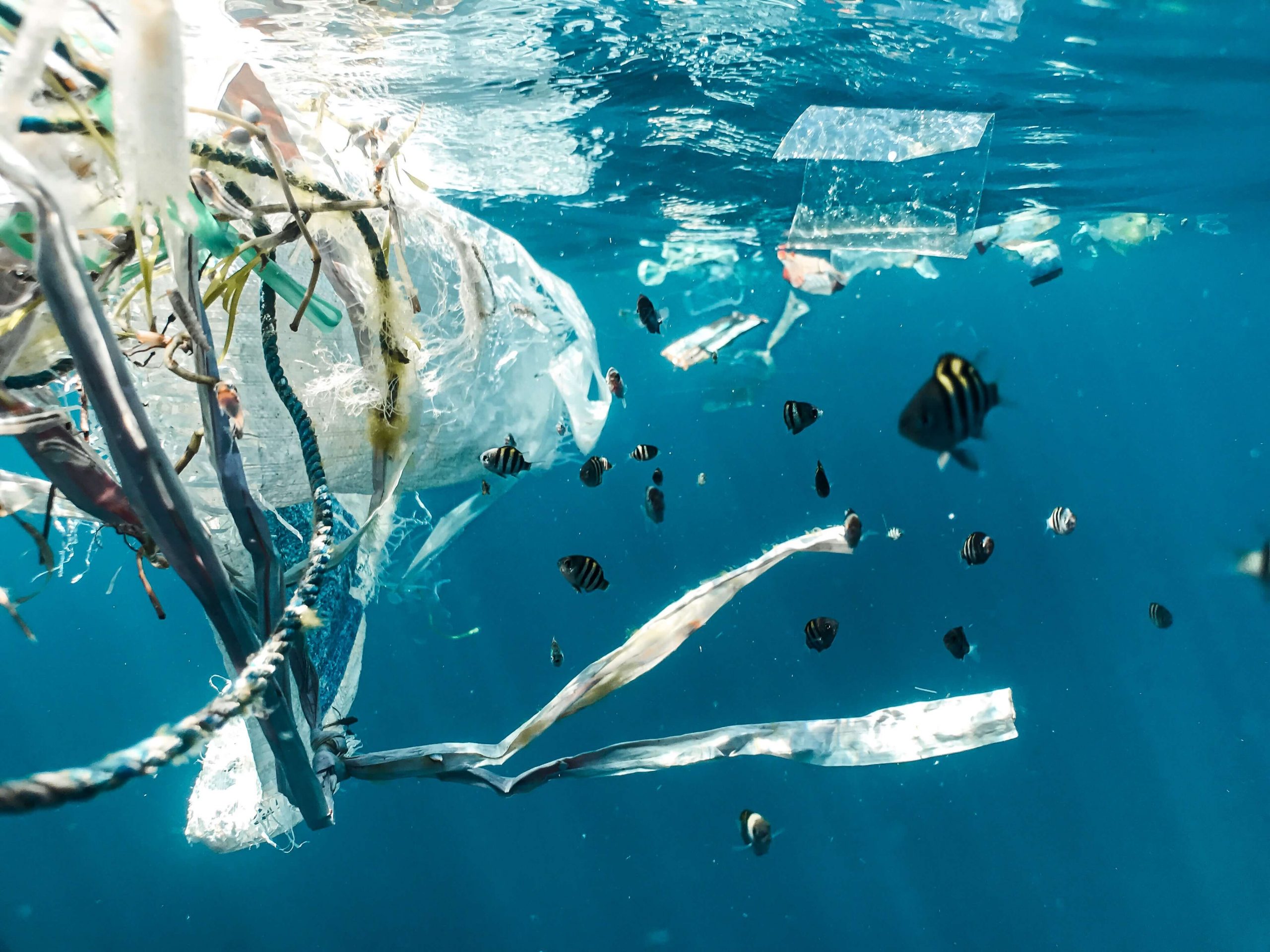 Photo by Naja Bertolt Jensen on Unsplash
If we continue to pollute the ocean at the rate we are doing now, the amount of plastics and microplastics in the sea will be higher than the number of creatures living in it.
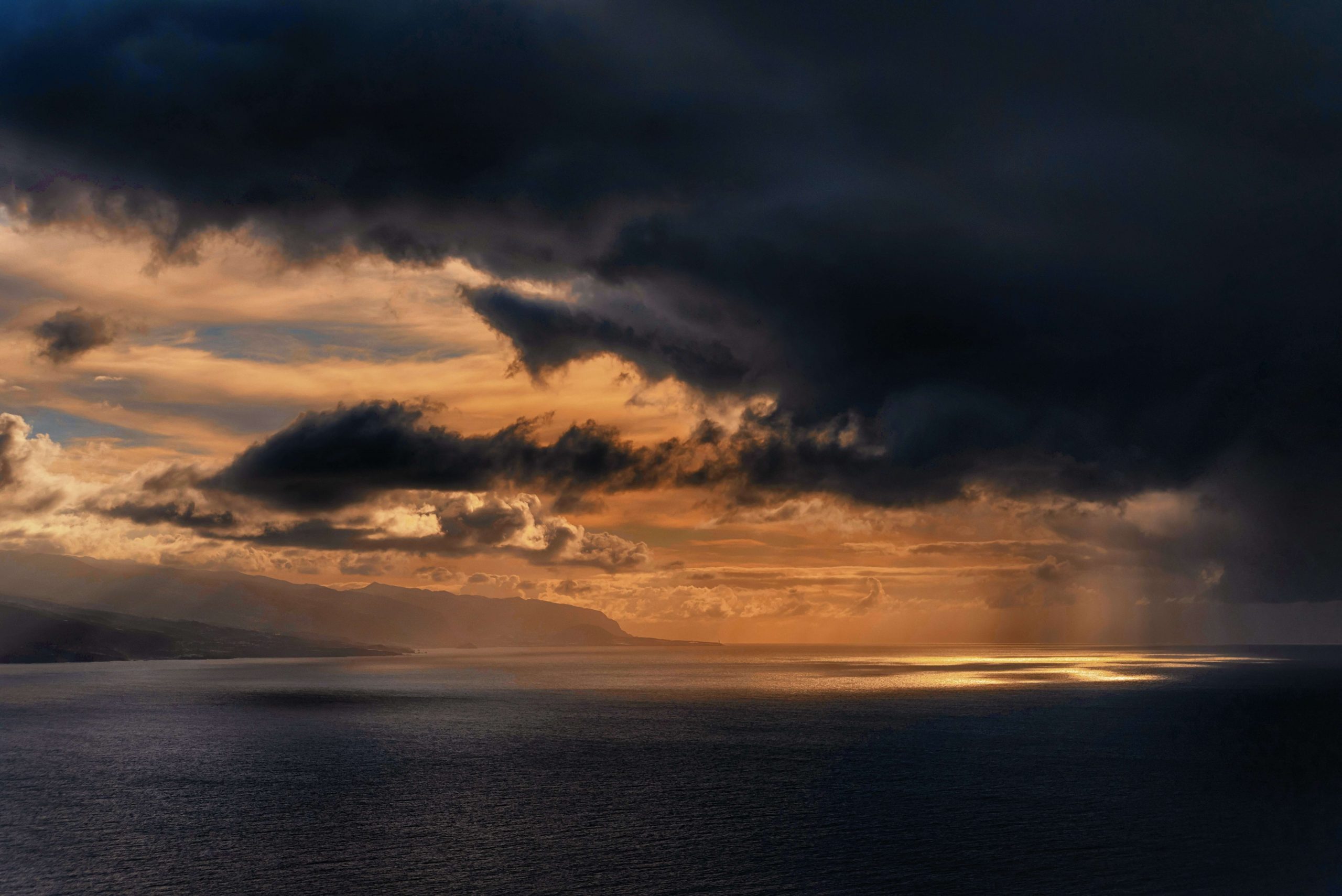 Photo by Fausto Garcia Mendez on Unsplash
The interaction of oceanic and atmospheric processes controls both Earth’s weather and climate. For example, the heat transferred from the tropical ocean provides the energy that drives atmospheric circulation, including hurricanes, cyclones, and polar storms.
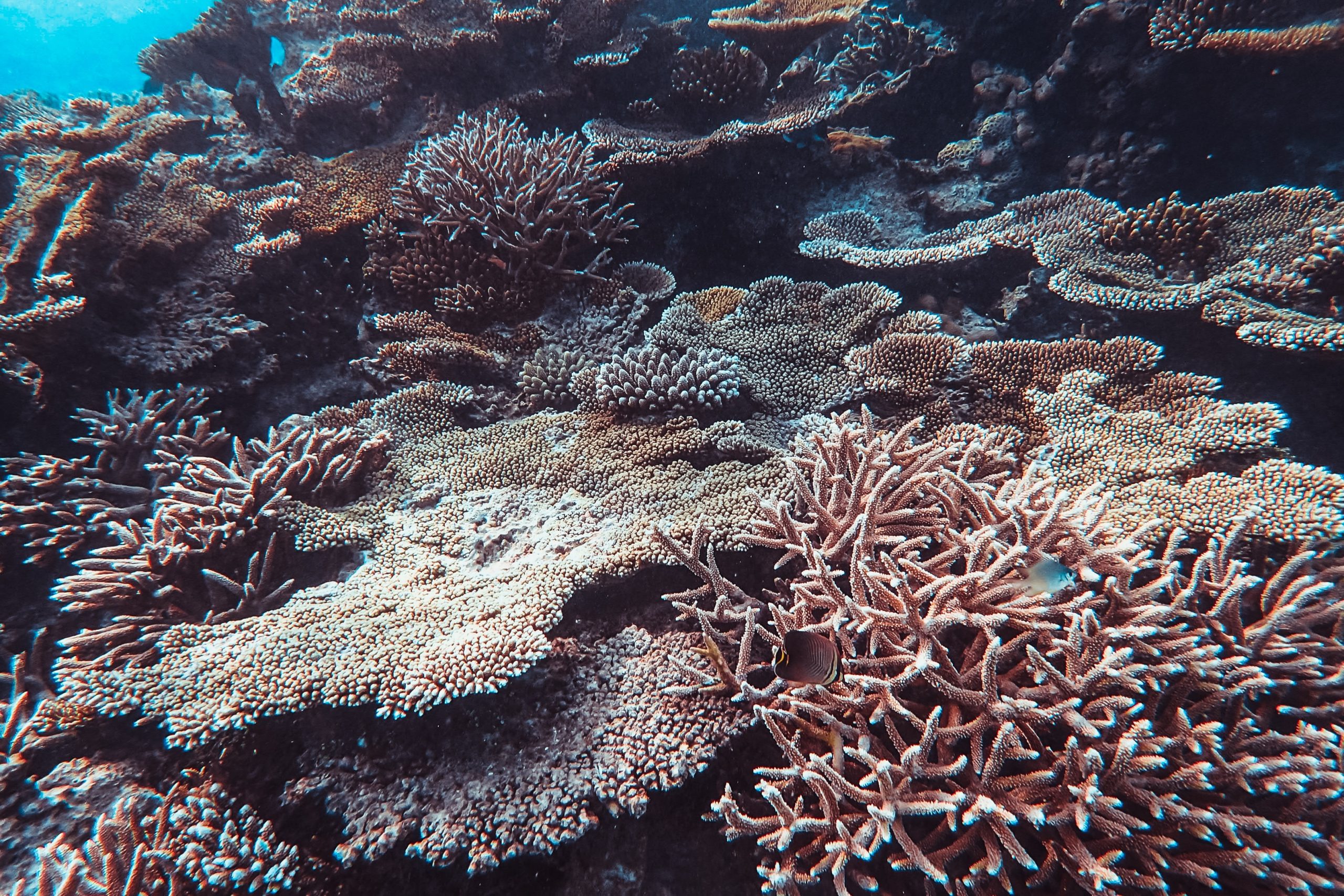 Photo by Yang Wewe on Unsplash
Warmer water temperatures can result in coral bleaching. When water is too warm, corals will expel the algae (zooxanthellae) living in their tissues causing the coral to turn completely white. This is called coral bleaching. When a coral bleaches, it is not dead. Corals can survive a bleaching event, but they are under more stress and are subject to mortality.
 Photo by Ifrah Akhter on Unsplash
Please select 2 correct answers
Sea level rise is mainly due to glaciers and ice sheets melting and seawater temperature increase. The first adds water to the ocean and the second makes the volume of water expand as it warms.