
Monitoring campaigns for target alien species are now underway at the project’s four pilot sites, beginning in June 2025. Each team has developed specific plans to assess the presence and distribution of the selected invasive species in each area. These plans employ standardized methodologies—including in-situ monitoring, direct measurements, and remote sensing—to achieve the highest possible resolution of spatial data.
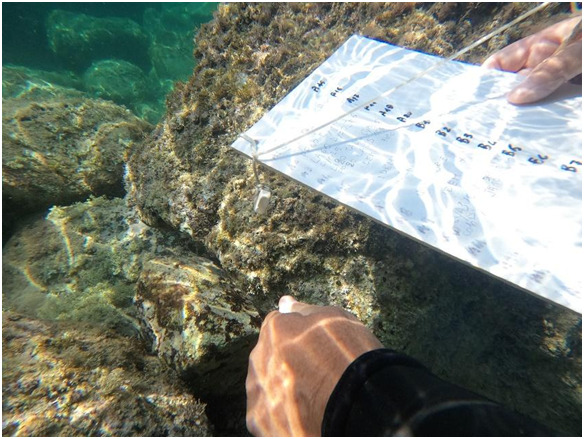
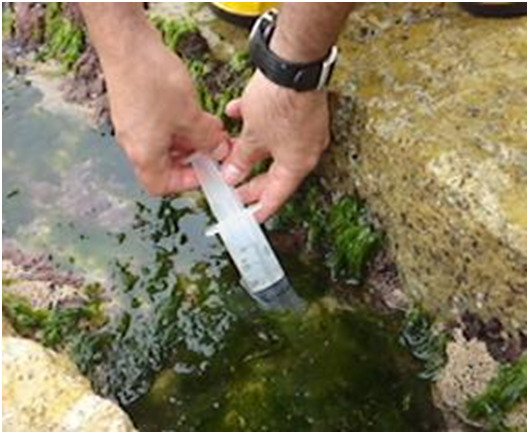
Monitoring activity for the detection of Rugulopterix okamurae and Codium subsp.
Fragile (Left) and Ostreopsis ovata (right) from ARPA Puglia
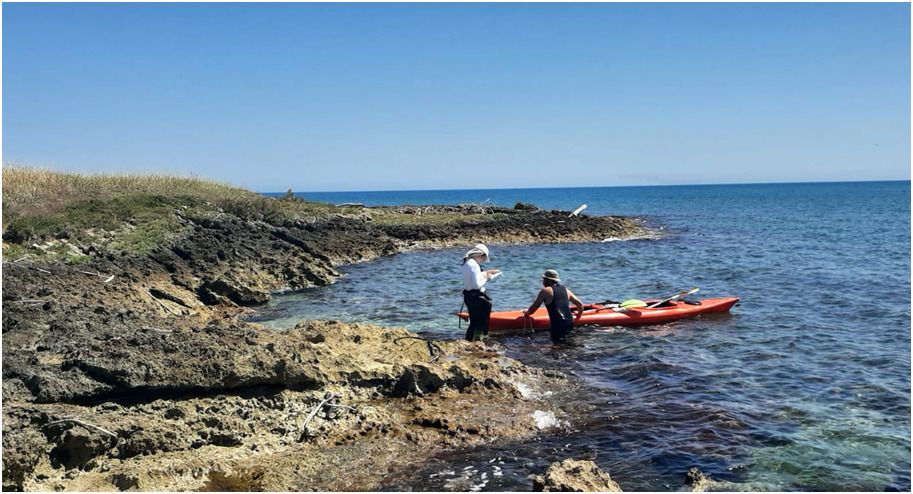
Sampling activity (Torre Guaceto – Br) from ARPA Pug
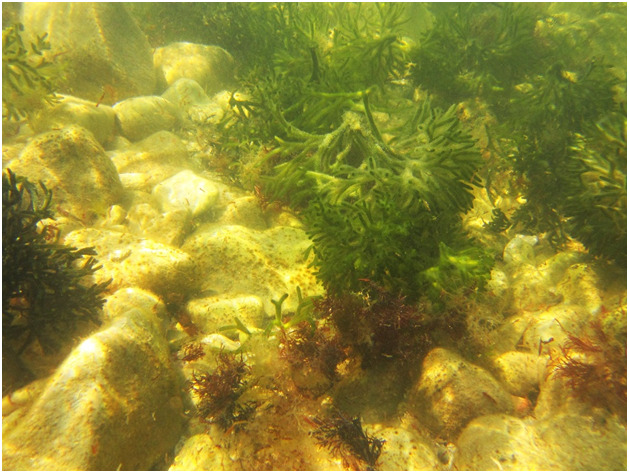
Codium fragile at the bottom (Molfetta, BR), from ARPA Puglia
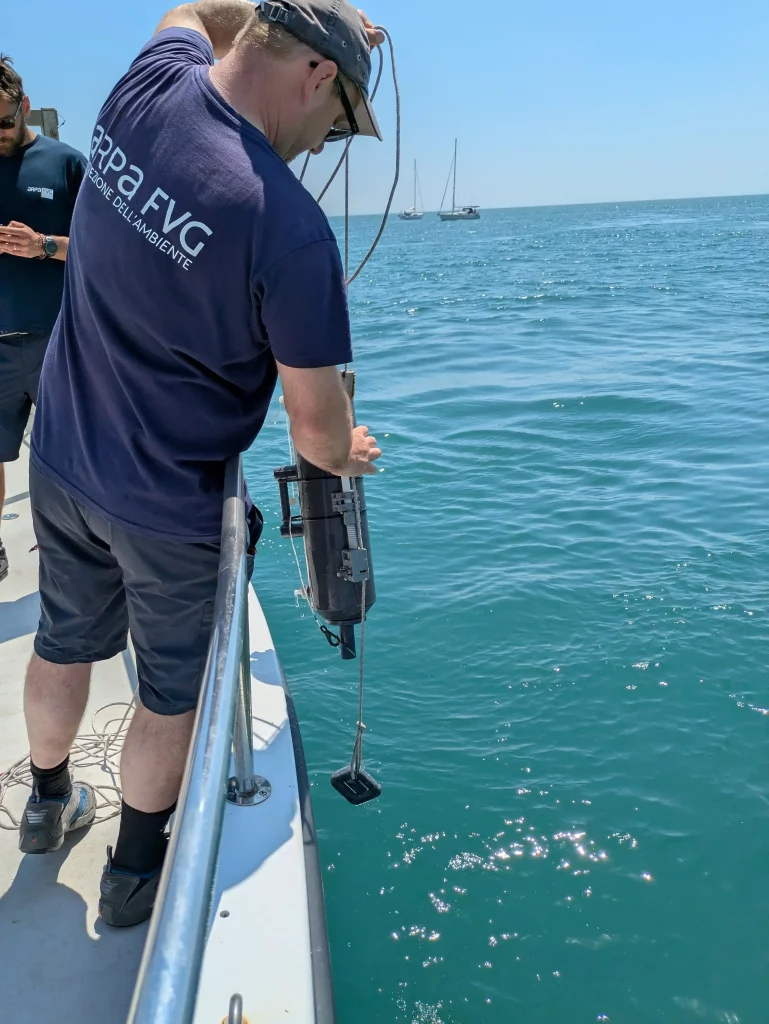
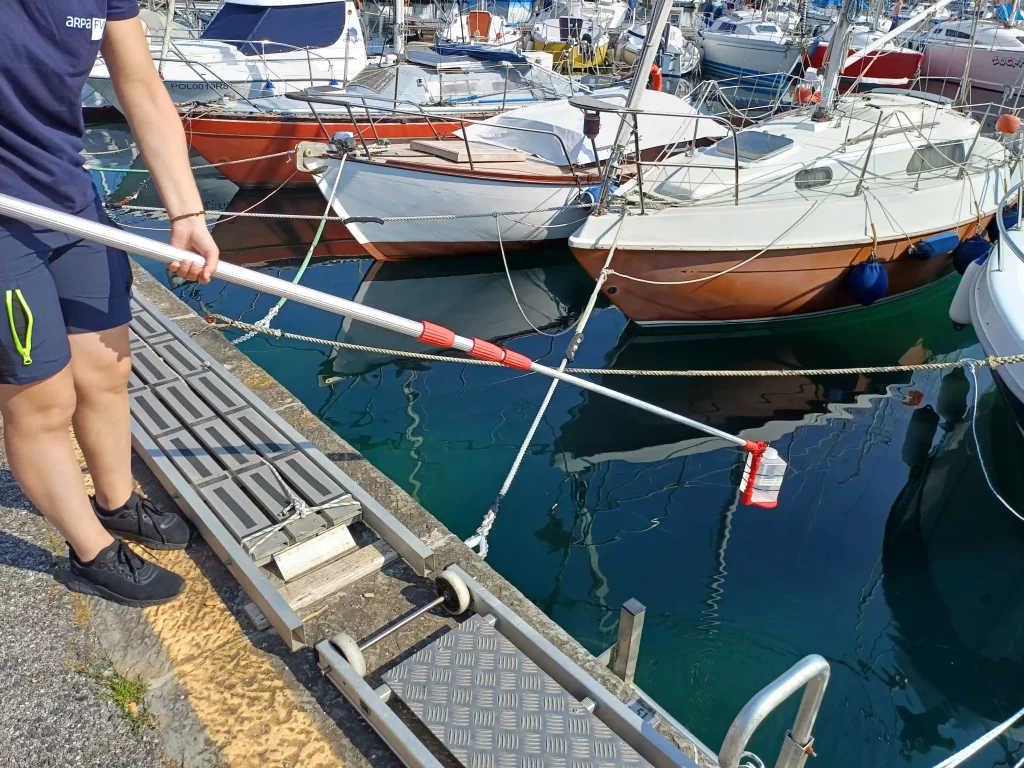
Sampling activity from ARPA FVG
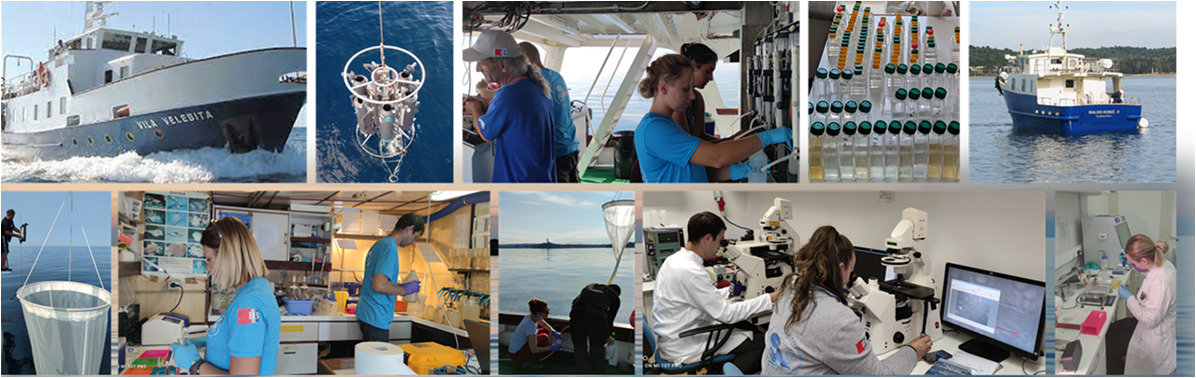
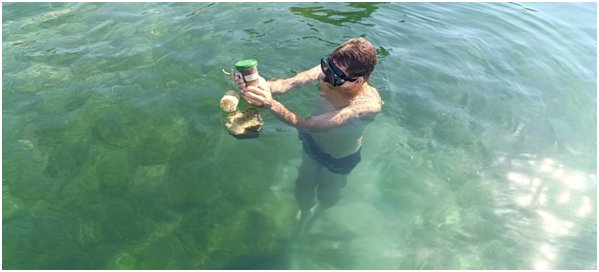
Sampling activity from IOR
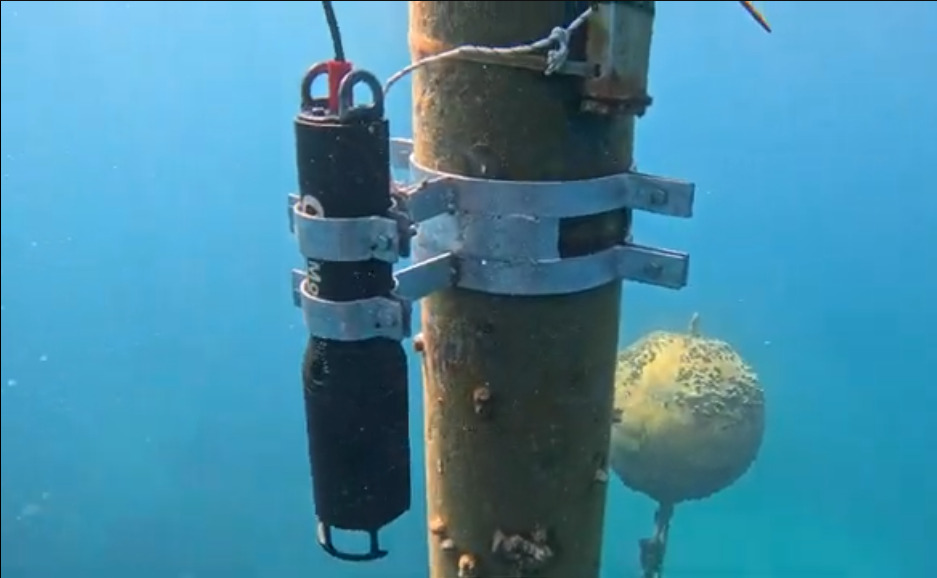
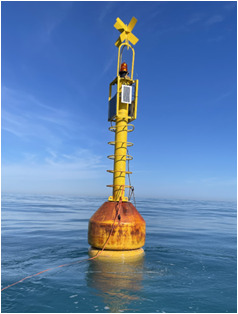
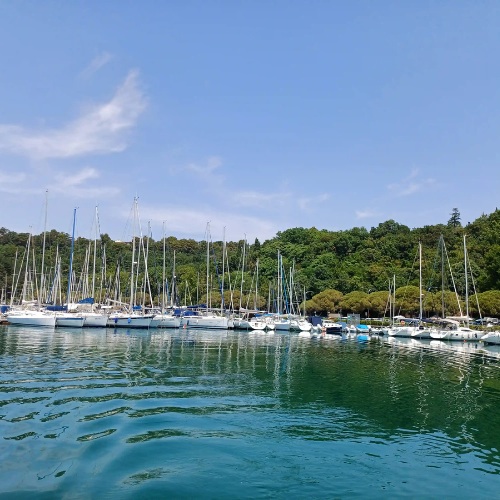
A new coastal oceanographic buoy in the Torre Guaceto Marine Protected Area (Apulia, Italy)
A multiparametric probe was installed on a buoy located within the Torre Guaceto Marine Protected Area, thanks to the close collaboration between CMCC and the Consortium managing the area.
The probe continuously detects a wide range of physical, biogeochemical and optical variables: pressure, temperature, salinity, dissolved oxygen, turbidity and the fluorescence of chlorophyll a, phycoerythrin and chromophoric dissolved organic matter (CDOM). These in situ measurements serve a dual purpose: on one hand, they allow continuous monitoring of phytoplankton population dynamics, providing useful information for detecting potential Harmful Algal Blooms (HABs), phenomena that are increasing in coastal areas and can pose risks to human health and economic activities; on the other, they provide essential data for the calibration and validation of numerical forecasting models.
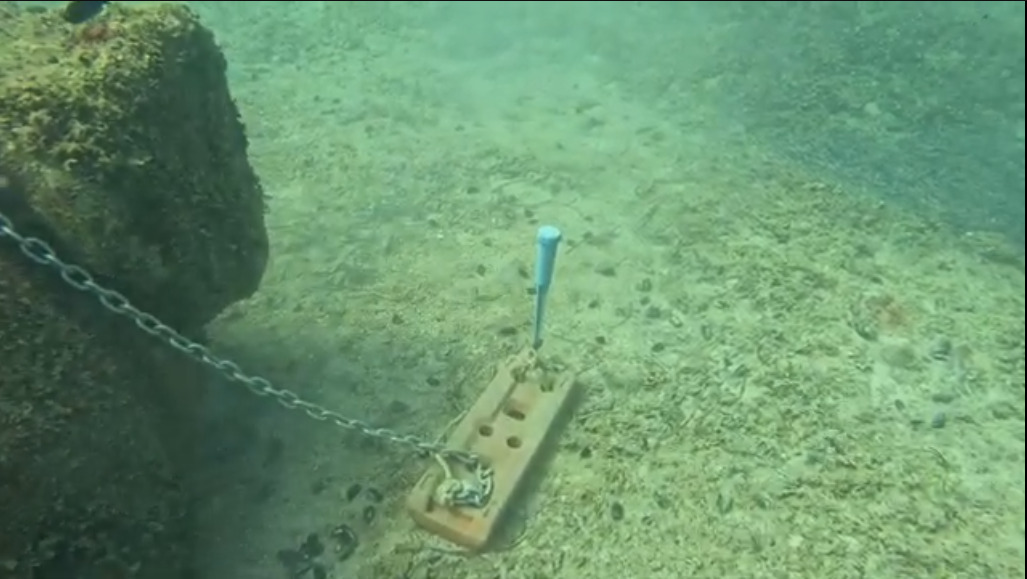
The buoy was installed in October 2025, allowing the collection of a first in situ dataset, typical of the autumn season. A second installation was performed in August 2026, and it is now actively acquiring data. In addition to the buoy, three low-cost temperature sensors were installed at 1, 5 and 10 metres depth. A Marotte HS Drag-Tilt Current Meter, developed by the Marine Geophysics Laboratory of James Cook University (Australia), was installed on the seabed to study bottom-level hydrodynamics.